
The Legacy of Ceylon Tea
Experience the Rich Aroma and Authentic Taste of Sri Lanka
The Story of Ceylon Tea
The story of Ceylon tea is deeply woven into the rich history and heritage of Sri Lanka. Renowned around the world for its bold flavor, bright character, and exceptional aroma, Ceylon tea has become a symbol of quality, tradition, and craftsmanship.
Tea cultivation in Sri Lanka began during the 19th century under British colonial rule. Following the collapse of the island’s coffee industry due to a devastating plant disease, a young Scottish planter named James Taylor pioneered the cultivation of tea in Sri Lanka in 1867 at the Loolecondera Estate in Kandy. His vision, dedication, and experimentation laid the foundation for what would eventually become one of the world’s most respected tea industries.
Over the decades, Sri Lanka transformed into a global leader in premium tea production, with its unique climate, fertile soil, mist-covered mountains, and diverse elevations creating teas with distinctive flavors and characteristics unmatched anywhere else in the world. From the cool highlands of Nuwara Eliya to the rich low-grown regions of the south, each tea-growing area contributes its own identity to the legacy of Ceylon tea.
The journey of Ceylon tea is one of precision and passion. From the careful hand-plucking of tender tea leaves to the art of processing, grading, and packaging, every stage reflects generations of expertise and commitment to excellence. Combining time-honored traditions with modern quality standards, Sri Lanka continues to produce teas celebrated for their purity, freshness, and authenticity.
Today, the iconic Lion Logo of Pure Ceylon Tea stands as an internationally recognized symbol of trust and authenticity, guaranteeing that the tea is genuinely grown and manufactured in Sri Lanka. Enjoyed in homes, hotels, and tea houses across the world, Ceylon tea remains more than just a beverage — it is a timeless experience that carries the spirit, heritage, and pride of Sri Lanka in every cup.
Sri Lanka’s tea journey began during the British colonial period, when plantations and transport systems were first established. Over time, the industry has grown into a symbol of excellence, consistently meeting international standards. Today, the “Pure Ceylon Tea” lion logo serves as a mark of authenticity, guaranteeing that the tea is genuinely grown and produced in Sri Lanka.
TYPES OF CEYLON TEA
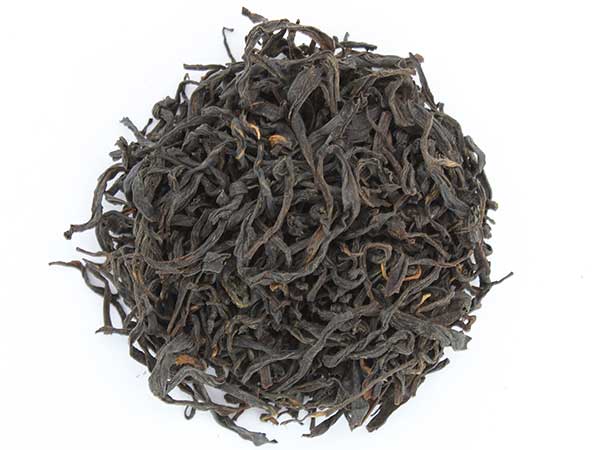
BLACK TEA
pure ceylon tea
Ceylon black tea is known for its bold flavor and full oxidation, giving it a stronger character compared to oolong, green, or white teas. Loved worldwide for its rich taste and refreshing aroma, its final profile can vary depending on how expert blenders craft each batch. All tea originates from the plant Camellia sinensis, with tender leaves carefully handpicked to ensure quality.
The process begins with rolling the leaves, where the duration depends on their size, helping to initiate oxidation. Once the desired level is reached, the process is carefully controlled and stopped through drying. The leaves are then heated and dried until they develop their deep black color. In the final stage, the tea is sifted and sorted into different grades, ensuring consistency and quality in every cup.
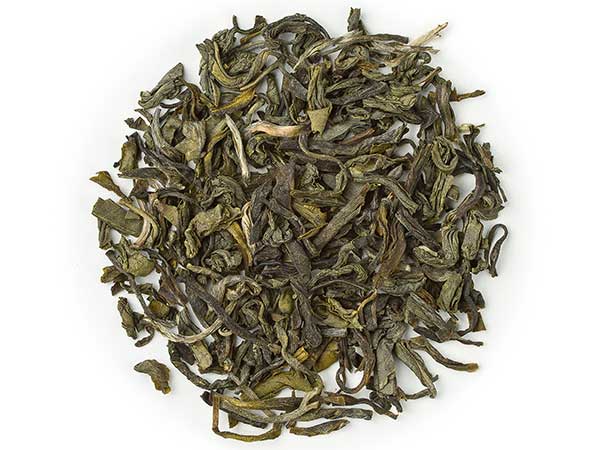
GREEN TEA
ceylon green tea
Green tea, though derived from the same Camellia sinensis plant, differs from black tea as it does not undergo oxidation. To preserve its natural freshness and color, the leaves are quickly steamed or heated after plucking, which stops the enzymatic process responsible for fermentation. Once stabilized, the leaves are gently rolled—either by hand or using machines—and then carefully dried.
This drying and rolling process may be repeated until the leaves are completely moisture-free, ensuring their light flavor and delicate aroma are maintained. Precision is essential throughout, as any unwanted oxidation must be avoided. Like black tea, green tea can also be blended with natural flavors to create a variety of refreshing and aromatic infusions.
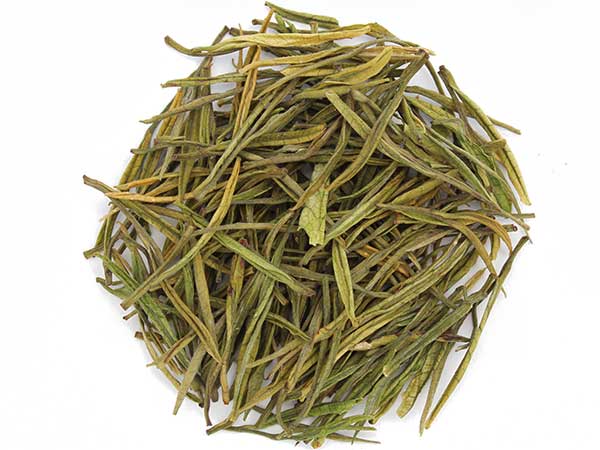
WHITE TEA
silver tips
White tea is made from the young leaves of the Camellia sinensis plant and undergoes minimal processing. The harvesting is precise, typically selecting two tender leaves and a bud in the early morning to preserve their natural moisture and freshness. This careful plucking and gentle handling give white tea its unique character, both in taste and appearance.
After harvesting, the leaves are lightly processed to prevent oxidation, then naturally sun-dried or softly dried using controlled methods. The result is a pale-colored tea with a subtle greenish tone and a delicate, refined flavor. Due to its limited production and meticulous process, white tea is often considered a premium variety and holds a higher value in the global tea market.
HISTORY OF CEYLON TEA
Historically, Sri Lanka was once a major coffee-producing nation, with vast plantations spread across its hill country. During the 19th century, the industry flourished under British influence, making the island one of the world’s leading coffee exporters. However, this success was short-lived, as a devastating plant disease destroyed most of the coffee crops, leaving the plantation sector in decline and in need of a new direction.
In response, tea cultivation was introduced as an alternative, transforming the landscape and the future of the country’s agriculture. A Scottish planter, James Taylor, played a key role in establishing tea plantations, laying the foundation for what would become a globally celebrated industry. Over time, Ceylon tea gained immense popularity, especially in international markets, for its rich flavor and unique character.
Today, the once coffee-covered hills are blanketed with lush tea estates, producing some of the finest teas in the world. Traditional methods introduced by early planters continue to influence modern production, now enhanced with refined processes to ensure consistent quality. As global demand continues to rise, Pure Ceylon Tea remains a symbol of excellence, offering distinctive flavors that define the perfect cup for tea lovers everywhere.
THE SEVEN TEA GROWING REGIONS
CEYLON TEA
The seven tea growing regions of Sri Lanka produces the best of Ceylon Tea. They are Kandy, Nuwaraeliya, Uda Pussellawa, Uva, Dimbula, Sabaragamuwa and Ruhuna. Eeach of the regions are known for producing teas of a particular character, unique to it’s own regional conditions.
UVA
igh and Medium Grown tea – Located at an elevation of 2000 – 4000 ft above sea level. Uva tea is a special tea with an unmistakable character and exotically aromatic flavor. The mellow, smooth taste of Uva tea, once experienced, is easily distinguished.
DIMBULA
High Grown tea – Between Nuwara Eliya and Horton Plains lies the district of Dimbula, and located at an elevation of 5000- 6000 ft.. Dimbula tea produces a fine golden-orange hue in the cup, and which is refreshingly mellow.
KANDY
Medium Grown tea – Located at an elevation not exceeding 1,300m (4000 Feet) and Kandy teas produce a bright infusion with a coppery color and are strong and intensely full-bodied.
NUWARA ELIYA
High grown tea – Located at an elevation of approximately 6000ft above sea level and it is the best-known of Sri Lanka’s tea-growing districts. Combined with low temperature, this produces teas of exquisite bouquet. The infusion in the cup is the lightest (palest) of all the types of Ceylon Tea, with a golden hue and a delicately fragrant flavor.
RUHUNA
Low Grown tea – The teas of the Ruhuna district are defined as “low-grown” as they are cultivated at an altitude not exceeding 600m (2000 Ft). Full-flavored black tea is a distinctively unique Ruhuna specialty.
SABARAGAMUWA
Low Grown tea – Sabaragamuwa is Sri Lanka’s biggest district and estates range in elevation from sea level to 610m (2000 Ft). The liquor is similar to that of Ruhuna teas, dark yellow-brown with a reddish tint. The aroma is noticeably different from the Ruhuna product, with a hint of sweet caramel, not quite as strong: yet exceptionally stylish.
UDA PUSSELLAWA
High Grown tea – Located at an elevation of 5000 – 6000ft above sea level. The Uda Pussellawa district is situated close to Nuwara Eliya, so its tea is often compared to that of its neighbor. But it is darker in the cup, with a pinkish hue, of greater strength, and exquisitely tangy.